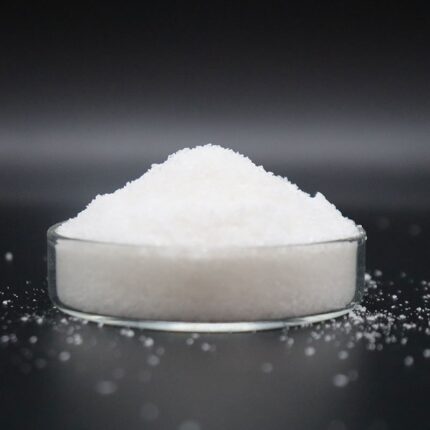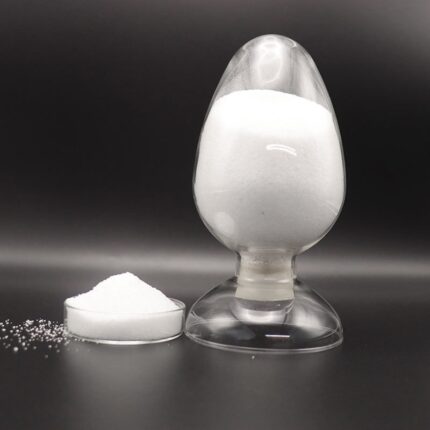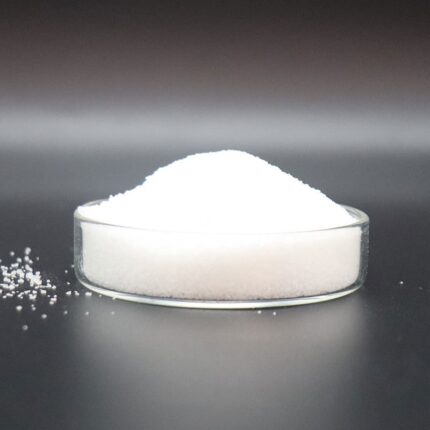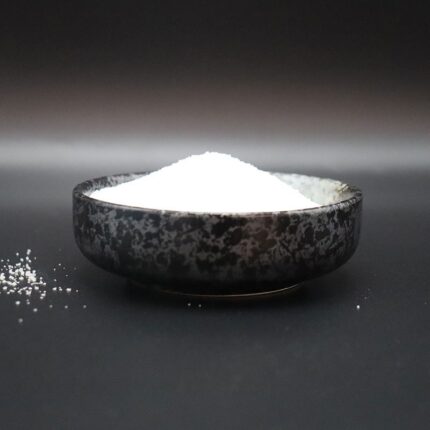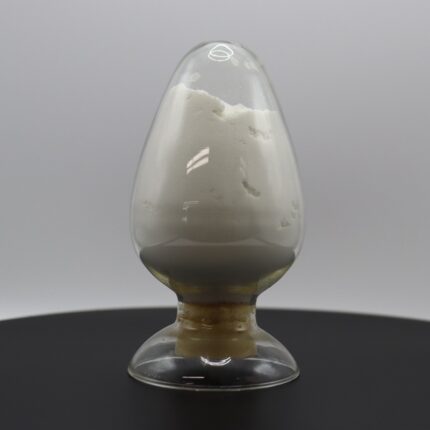


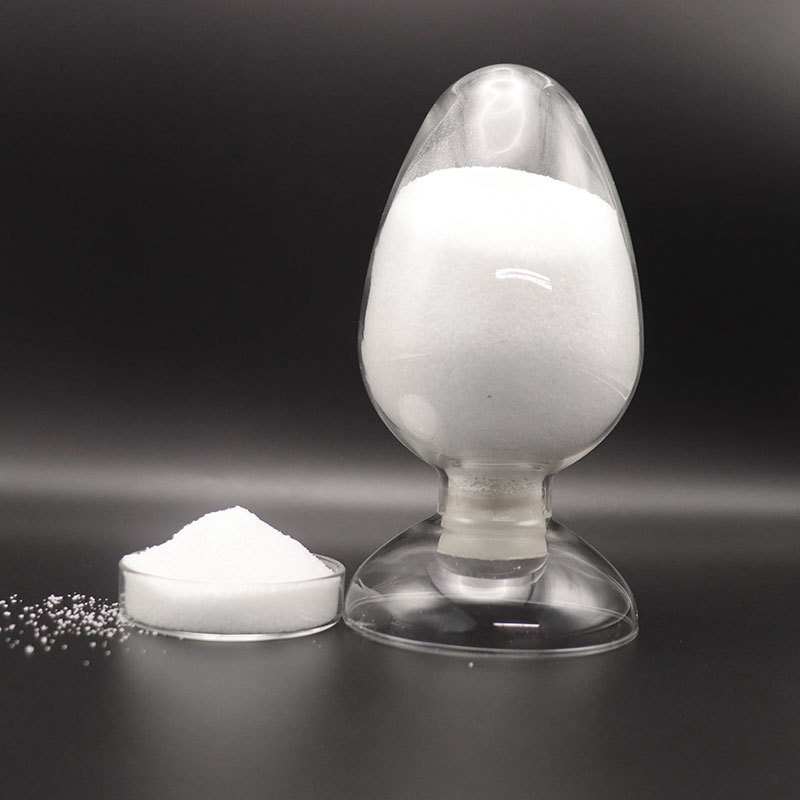
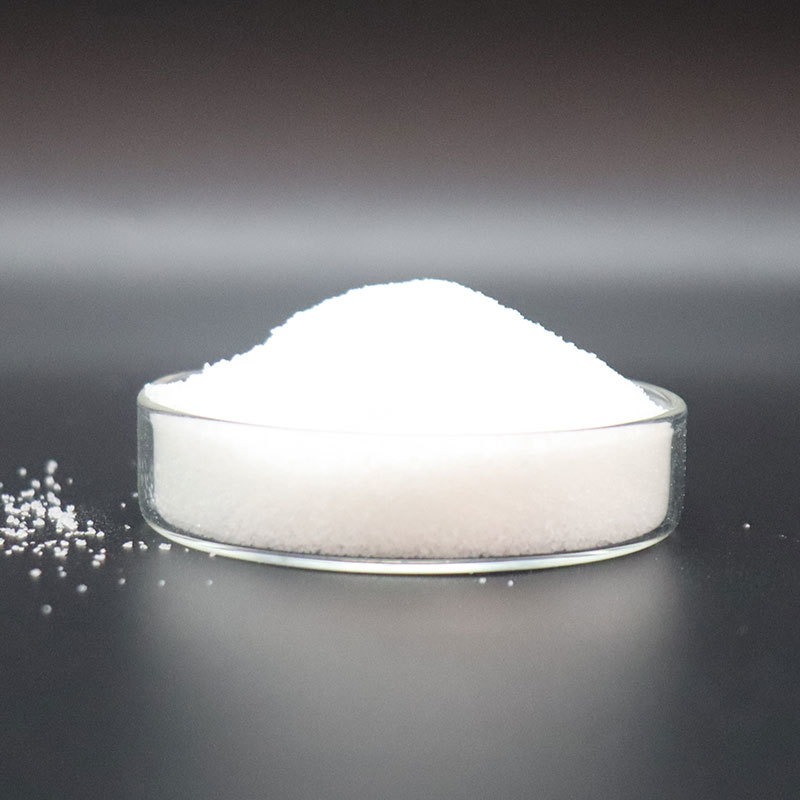
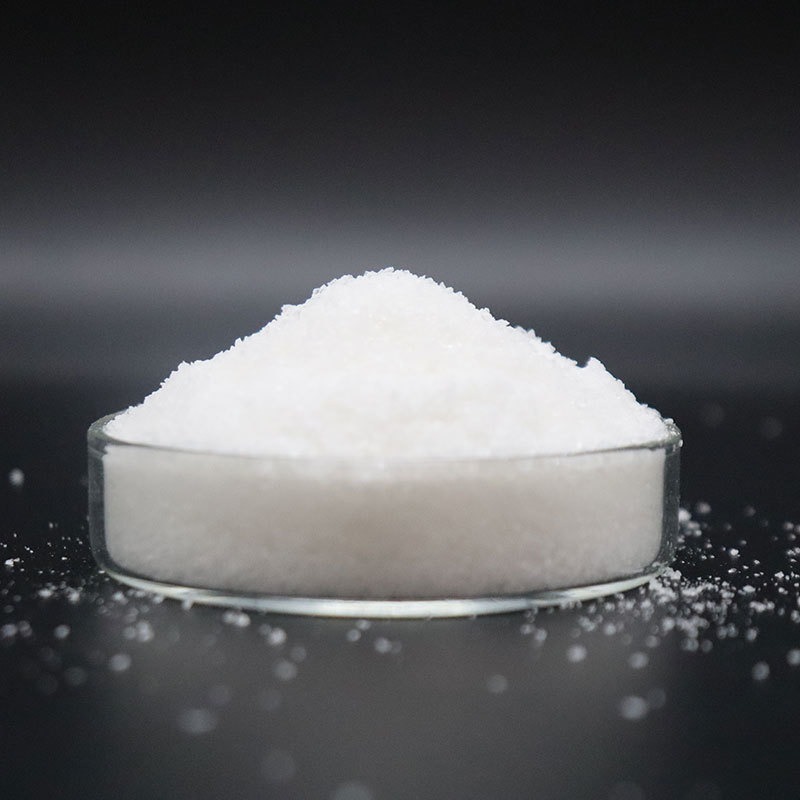
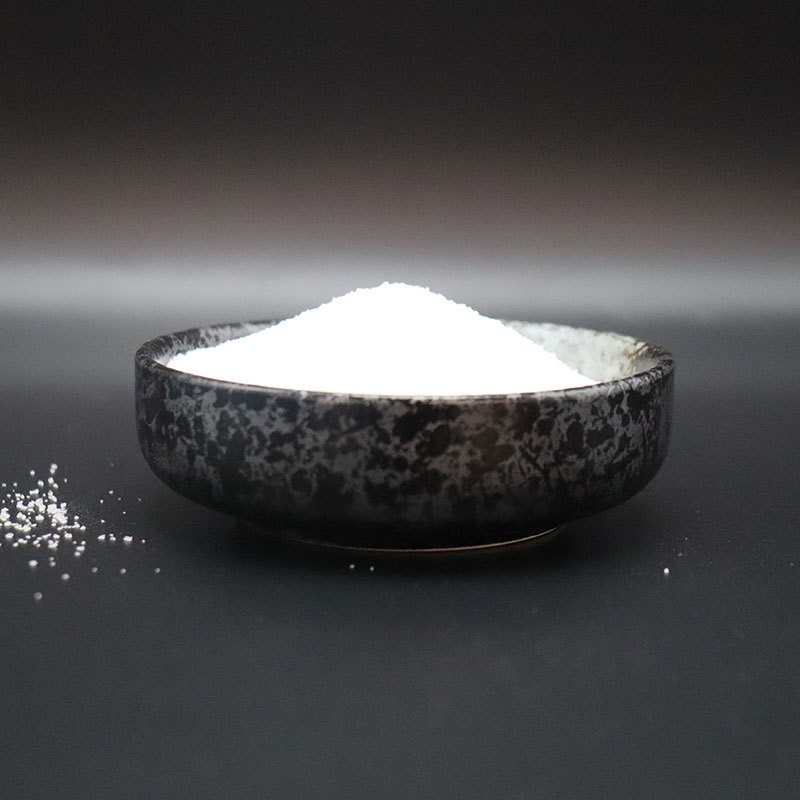
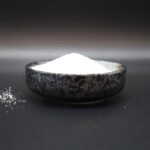
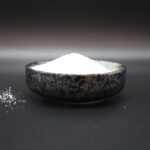

Cationic Polyacrylamide CPAM
Cationic polyacrylamide (CPAM) is a linear polymer compound. As it has a variety of active groups, it can form hydrogen bonds with many substances through affinity and adsorption. Mainly flocculates negatively charged colloids, with functions such as turbidity removal, decolorization, adsorption, and adhesion. It is suitable for the wastewater treatment with organic colloid content in dyeing, papermaking, food, construction, metallurgy, mineral processing, coal powder, oil fields, aquatic product processing and fermentation and other industries, especially suitable for dehydration treatment of urban sewage, urban sludge, papermaking sludge and other industrial sludge.
Request a sample, COA, MSDS or quotation
Tell us the application, water or sludge conditions, equipment and treatment target. Xinqi will recommend suitable grades for testing before a bulk order.
Cationic polyacrylamide (CPAM) is a linear polymer compound. As it has a variety of active groups, it can form hydrogen bonds with many substances through affinity and adsorption. Mainly flocculates negatively charged colloids, with functions such as turbidity removal, decolorization, adsorption, and adhesion. It is suitable for wastewater treatment with organic colloid content in dyeing, papermaking, food, construction, metallurgy, mineral processing, coal powder, oil fields, aquatic product processing, fermentation, and other industries, especially suitable for dehydration treatment of urban sewage, urban sludge, papermaking sludge, and other industrial sludge.
| Model | Dissolution Time (min) | Charge Degree | Molecular Weight | Application Industry |
|---|---|---|---|---|
| 9080 | ≤60 | Ultra-high | Medium | Kitchen wastewater treatment, large-scale municipal wastewater treatment, and sludge dewatering from livestock farms and slaughterhouses, including leachate treatment from municipal solid waste (waste-to-energy plants). |
| 9090 | ≤60 | Ultra-high | Medium | Kitchen wastewater treatment, large-scale municipal wastewater treatment, and sludge dewatering from livestock farms and slaughterhouses, including leachate treatment from municipal solid waste (waste-to-energy plants). The charge density is slightly higher than that of the 9080. |
| 9506 | ≤60 | Low | Low | It is used for dewatering sludge in printing and dyeing plants, or for flocculation and sedimentation of acidic wastewater (typically in combination with a coagulant). |
| 9216 | ≤60 | Low | Low | It is used for dewatering sludge in printing and dyeing plants, or for flocculation and sedimentation of acidic wastewater (typically in combination with a coagulant). Its charge density is slightly higher than that of 9506. |
| 9026 | ≤60 | Low | Medium | Municipal wastewater treatment facilities, paper mills, printing and dyeing plants, power plants, textile mills, and other chemical plants in certain countries or regions. |
| 9910 | ≤60 | Low | Medium | In dewatering applications involving industrial wastewater, municipal wastewater, and beverage/juice products (dewatering of a mixture of industrial and municipal wastewater). |
| 9036 | ≤60 | Low | Medium | Applications include the dewatering of industrial wastewater, steel mills, municipal sewage, and beverage and juice products (dewatering of mixed industrial and municipal wastewater). |
| 9920 | ≤60 | Medium | Medium | In dewatering applications involving industrial wastewater and municipal wastewater (dewatering of mixed industrial and municipal wastewater). |
| 9530 | ≤60 | Medium | Medium | Applications include river sediment treatment, kitchen wastewater treatment, municipal wastewater treatment, and sludge dewatering from slaughterhouses, dairy plants, seafood processing plants, and beverage plants. |
| 9440 | ≤60 | Medium | Medium | It is primarily used for urban wastewater treatment in certain countries. |
| 9940 | ≤60 | High | Medium | It is primarily used for urban wastewater treatment in certain countries. |
| 9560 | ≤60 | High | Medium | It is primarily used for urban wastewater treatment in certain countries. |
If you want to know more about application selection, please leave us a message. We will match you with a better solution as soon as possible after receiving your requirements.
Cationic polyacrylamide (CPAM) is a linear polymer compound. As it has a variety of active groups, it can form hydrogen bonds with many substances through affinity and adsorption. Mainly flocculates negatively charged colloids, with functions such as turbidity removal, decolorization, adsorption, and adhesion. It is suitable for wastewater treatment with organic colloid content in dyeing, papermaking, food, construction, metallurgy, mineral processing, coal powder, oil fields, aquatic product processing, fermentation, and other industries, especially suitable for dehydration treatment of urban sewage, urban sludge, papermaking sludge, and other industrial sludge.
Cationic Polyacrylamide Selection and Procurement Notes
Cationic polyacrylamide is mainly selected for organic sludge dewatering, municipal sewage sludge, paper sludge, food processing wastewater, alcohol and fermentation wastewater, and other systems where negatively charged colloids need to be neutralized and bridged. The key selection factors are cationic charge degree, molecular weight, dissolution time, sludge concentration, pH, and the dewatering equipment type.
- Typical use: belt filter press, screw press, centrifuge, plate-and-frame filter press, and sludge thickening.
- Testing method: prepare a 0.1%-0.3% solution, mature completely, then compare floc size, filtrate clarity, cake moisture, and dosage.
- Procurement support: sample, COA, MSDS, packaging, and technical grade recommendation are available for project buyers.
FAQ
How do I choose the charge degree of CPAM?
Higher organic sludge content usually needs a higher cationic charge, but the best grade should be confirmed by jar test and dewatering equipment trial.
Why does CPAM sometimes fail in sludge dewatering?
Common reasons include incomplete dissolution, wrong charge degree, overdosing, fast mixing damage, sludge quality change, or using a solution that has aged too long.
Can Xinqi provide samples before bulk order?
Yes. Buyers can request samples and share wastewater or sludge information so Xinqi can recommend a suitable cationic polyacrylamide grade.
Key words: Cationic polyacrylamide, Cationic Flocculant, Cationic PAM, cationic polymerization, cationic polyacrylamide flocculant, cationic polyacrylamide powder
Request Sample Testing and Technical Support
Send your wastewater or sludge source, treatment process, equipment type, and target result. Xinqi Polymer can recommend cationic, anionic, or nonionic polyacrylamide grades for real water testing.