




Anionic Polyacrylamide APAM
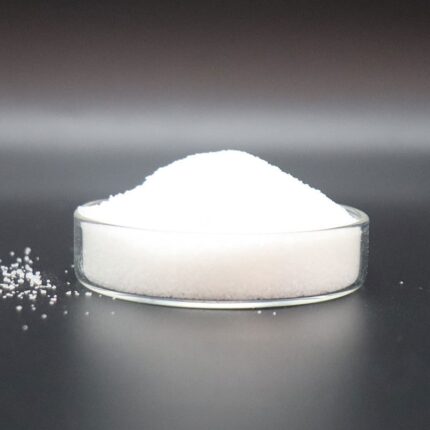
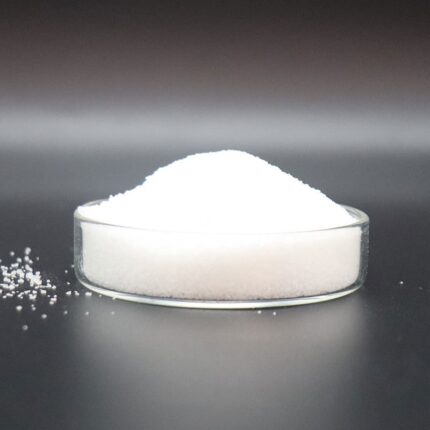
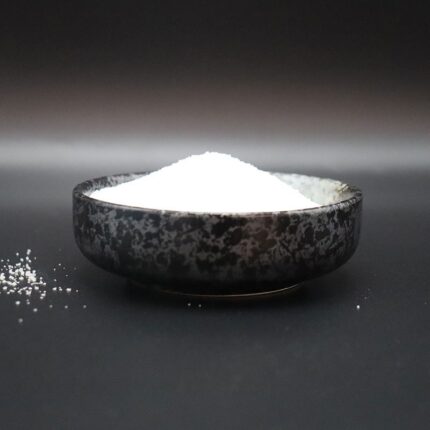
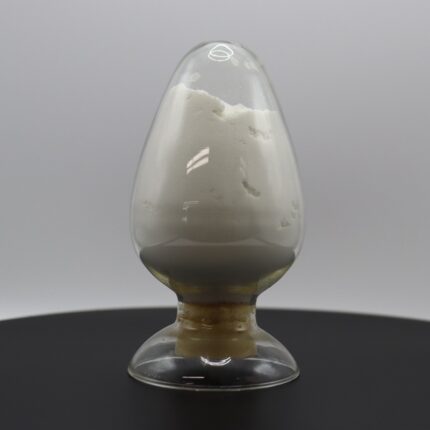
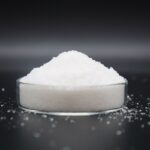
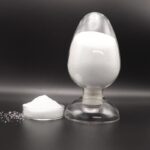
Anionic polyacrylamide (APAM) appears as white powder with a molecular weight ranging from 3 million to 25 million. It has good water decomposition properties and can be dissolved in water and insoluble in organic solvents. The effective pH value range is 6 to 10. It has the characteristics of a high polymer electrolyte in a neutral alkaline medium, is sensitive to salt electrolytes, and can cross-link with high-valent metal ions to form an insoluble gel.
Request a sample, COA, MSDS or quotation
Tell us the application, water or sludge conditions, equipment and treatment target. Xinqi will recommend suitable grades for testing before a bulk order.
Anionic polyacrylamide (APAM) appears as a white powder with a molecular weight ranging from 3 million to 25 million. It has good water decomposition properties and can be dissolved in water and is insoluble in organic solvents. The effective pH value range is 6 to 10. It has the characteristics of a high polymer electrolyte in a neutral alkaline medium, is sensitive to salt electrolytes, and can cross-link with high-valent metal ions to form an insoluble gel.
| Model | Dissolution Time (min) | Charge Degree | Molecular Weight | Application Industry |
|---|---|---|---|---|
| 601 | ≤60 | Low | Low | Suitable for belt filter press processes at sites with high wastewater flow rates and insufficient time for chemical dissolution (e.g., coal washing, sand washing, and mineral processing industries) |
| 651 | ≤60 | Low | Medium | Coal washing plants in regions such as Indonesia; the mineral processing industry in regions such as South America. |
| 631 | ≤60 | Medium | Medium | Used in the mineral processing and pile-driving drilling industries in certain regions |
| 628 | ≤60 | Medium | Medium | It is typically used in conjunction with PAC for the flocculation and sedimentation stages of wastewater treatment in industrial, municipal, and manufacturing settings. It is the most widely available and versatile basic product on the market, offering the best value for money. |
| 669 | ≤60 | Medium | Medium | Its product specifications are similar to those of 628, and it is effective in treating municipal wastewater in certain regions. |
| 681 | ≤60 | High | Low | Suitable for sand washing, coal washing, and mineral processing—applications characterized by high production volumes, high on-site wastewater concentration, and insufficient space and time for chemical reactions on-site. |
| 698 | ≤60 | High | Low | High-concentration slurry, such as pile-driving sludge and tunnel slurry. It is also highly effective in treating wastewater from kaolin mines and red mud. |
| 682 | ≤60 | High | Medium | It is commonly used for treating wastewater from tailings slurry and is also effective in treating high-temperature wastewater at power plants and steel mills. |
| 687 | ≤60 | Ultra‑high | Medium | Used in a limited range of industries; employed in the primary sedimentation stage of certain types of industrial wastewater. |
| 609 | ≤60 | Ultra‑high | Ultra‑high | It has a wide range of applications in pile driving, drilling, and other fields. |
| 626 | ≤60 | Ultra‑high | High | Its molecular weight is slightly lower than that of 609, and it is not used as widely as 609. It is used in the drilling industry in certain urban areas. |
| 659 | ≤60 | Ultra‑high | High | Used in the mineral processing, alumina, and other industries. |
If you want to know more about application selection, please leave us a message. We will match you with a better solution as soon as possible after receiving your requirements.
Anionic polyacrylamide (APAM) appears as a white powder with a molecular weight ranging from 3 million to 25 million. It has good water decomposition properties and can be dissolved in water and is insoluble in organic solvents. The effective pH value range is 6 to 10. It has the characteristics of a high polymer electrolyte in a neutral alkaline medium, is sensitive to salt electrolytes, and can cross-link with high-valent metal ions to form an insoluble gel.
Anionic Polyacrylamide Selection and Procurement Notes
Anionic polyacrylamide is widely used for inorganic suspended solids, mineral processing, coal washing, sand washing, river silt treatment, and industrial wastewater clarification. It provides adsorption bridging, floc growth, fast settling, and improved water clarity when the charge demand matches the wastewater conditions.
- Typical use: sedimentation tanks, thickeners, clarifiers, tailings treatment, and process water recycling.
- Testing method: compare different molecular weights and hydrolysis degrees with real water samples, not only clear-water simulation.
- Procurement support: sample testing, dosage guidance, packaging, COA, and MSDS can be provided.
FAQ
Where is APAM most commonly used?
APAM is commonly used in mining, coal washing, sand washing, construction wastewater, and many inorganic suspended solids systems.
What affects APAM performance?
pH, salinity, suspended solids concentration, mixing strength, dissolution quality, and coagulant compatibility all affect performance.
Can APAM be used with PAC?
Yes, APAM is often used after coagulants such as PAC, but the dosing sequence and dosage should be tested.
Key words: anionic flocculant, anionic polymer flocculant, anionic polymer, anionic polyacrylamide powder, anionic polyacrylamide manufacturers, anionic polyacrylamide suppliers, anionic polyacrylamide, anionic polyacrylamide flocculant
Request Sample Testing and Technical Support
Send your wastewater or sludge source, treatment process, equipment type, and target result. Xinqi Polymer can recommend cationic, anionic, or nonionic polyacrylamide grades for real water testing.