


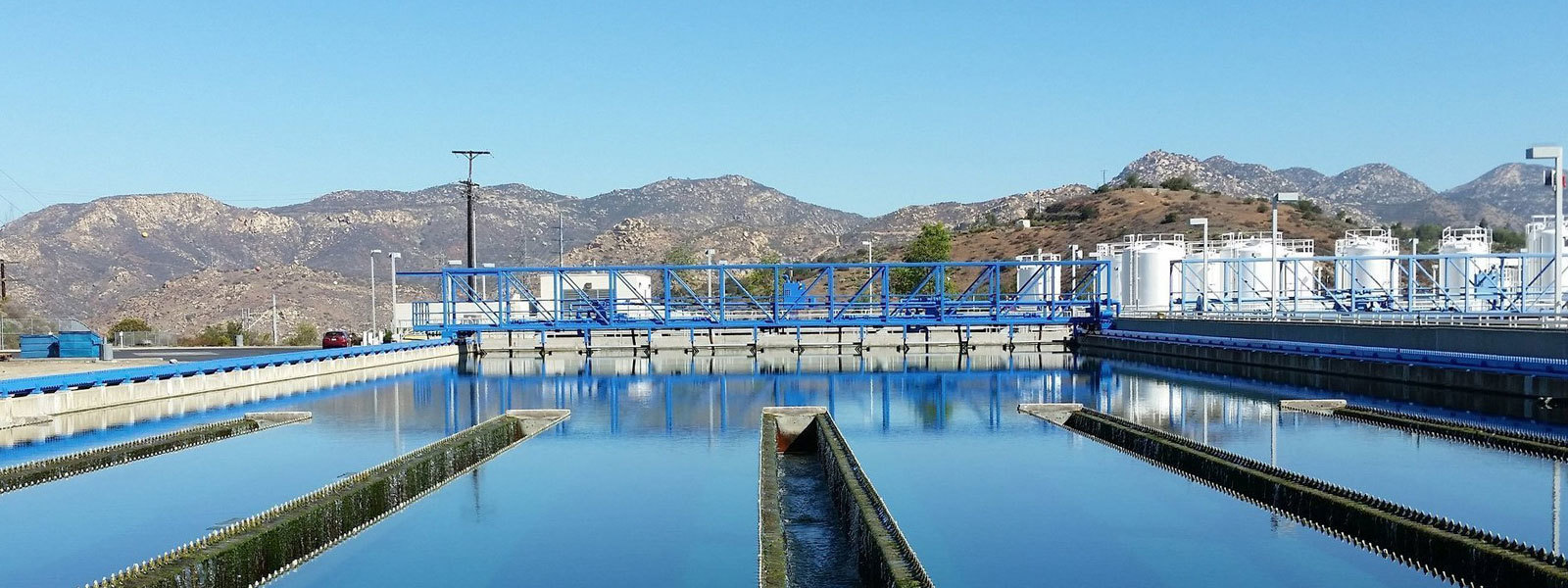
Sand Washing and Coal Washing
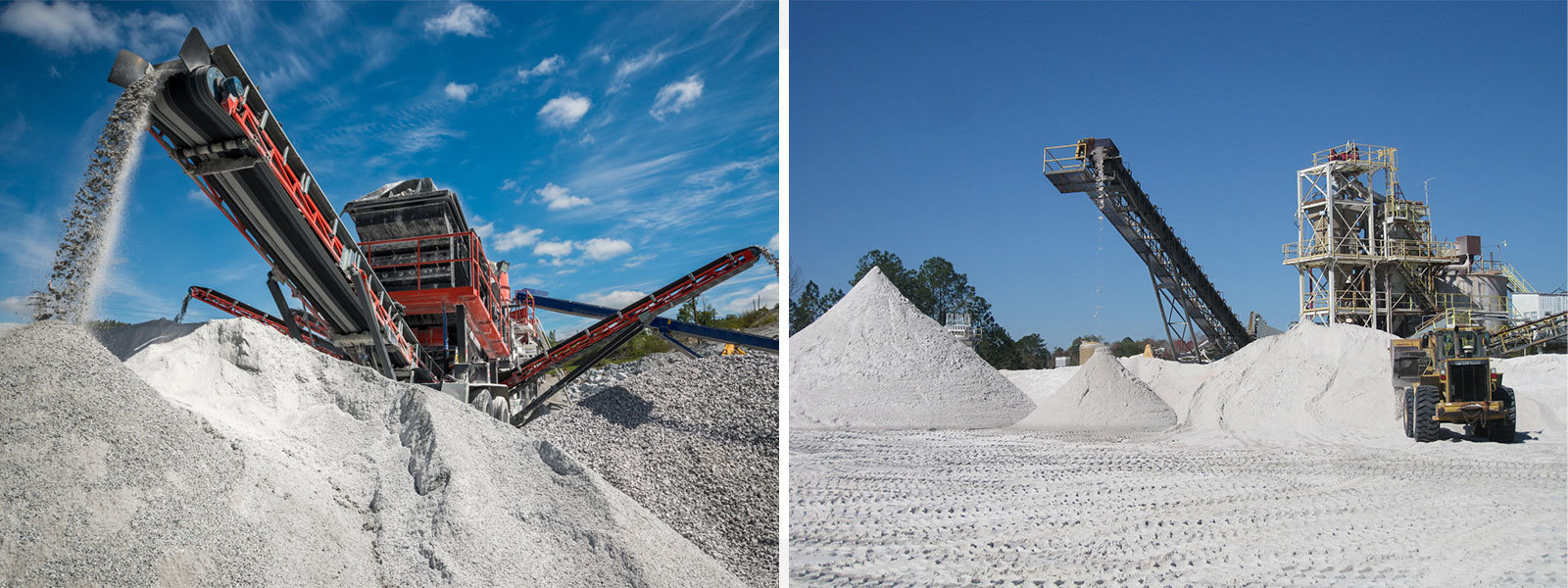
Sand washing
If the mud content in the sand used for construction is too high, the concrete strength will be reduced during application. Therefore, sand washing is required to remove the mud content during the sand-making process, which requires a large amount of water. If a large amount of sand-washing wastewater is discharged directly, it will not only pollute the surrounding water environment but also increase the cost of sand-washing water. Polyacrylamide is a linear polymer with good adsorption and flocculation effects. The polyacrylamide used for sand washing can efficiently and quickly flocculate and precipitate impurities, such as soil, from sand-washing sewage. After treatment, the sand-washing sewage can be either clarified to meet discharge standards or recycled. This will protect the environment and also save sand-washing costs.
During the sand washing process, differences in water quality, raw materials, and production environments across regions lead to variations in the quality of the sand washing sewage produced. When choosing the right polyacrylamide, we generally take some sample water from the sand washing sewage. Sample testing is used to determine the appropriate polyacrylamide specifications for sand washing, so that the effect will be better when treating sewage. Xinqi Polymer has its own sewage water sample laboratory. If you don’t know which polyacrylamide specification to use, you can send a water sample, and we will test it for free to help you select the appropriate specification.
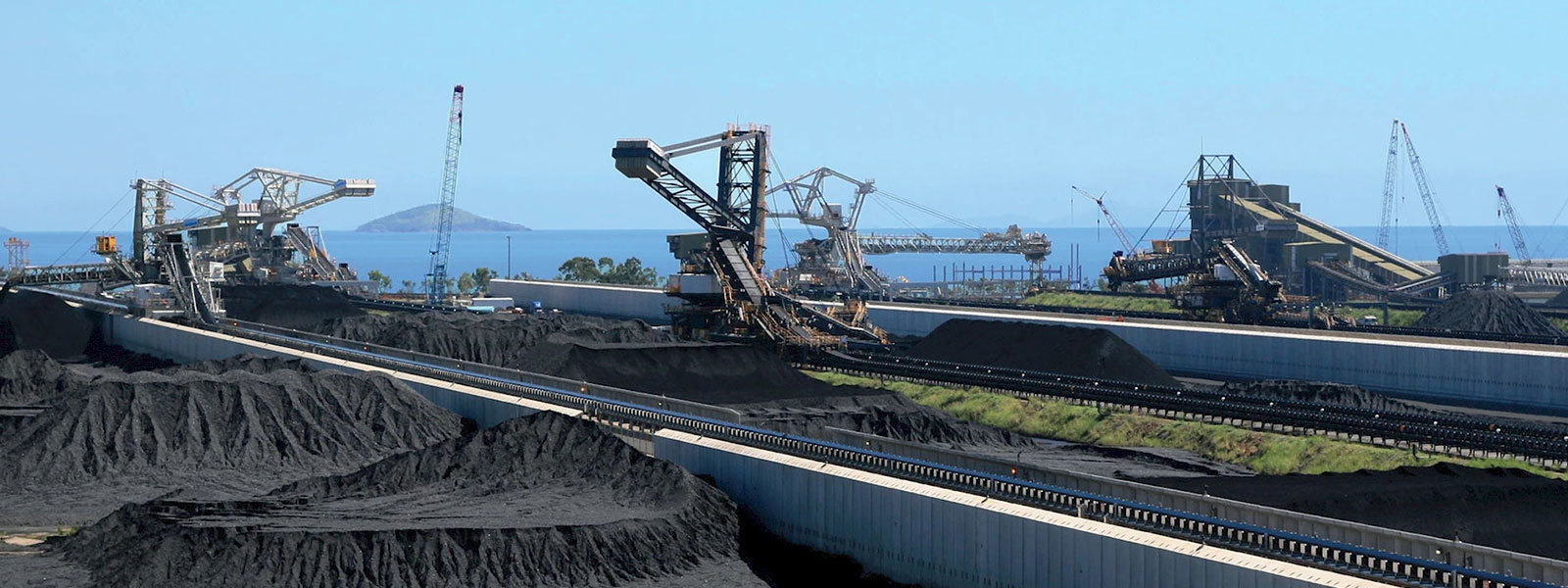
Coal Washing
Coal washing wastewater contains oily fine coal powder and clay suspended matter, which have extremely strong suspension properties in water. Therefore, it is difficult to remove the substances using the common natural sedimentation method. Moreover, coal washing wastewater has characteristics such as high colouration, high turbidity, and high chemical oxygen demand. Many customers have a headache with treating coal washing wastewater. Here, Xinqi Company will explain to you how to use polyacrylamide to effectively treat impurities in water and restore wastewater to clean water.
Xinqi engineer has found in many experiments that using the flocculation method to treat coal washing wastewater can reduce water consumption costs, and that the wastewater can be recycled to treat coal slime, reducing coal loss. It offers both economic benefits and environmental protection and is suitable for use in large, medium, and small coal washing plants. Many customers don’t know how to choose polyacrylamide when they first start using it. The sewage from different coal mines in different regions is treated differently, so some wastewater may not be treated cleanly in the same way. At this time, water samples must be taken. Test first and then pick the right product. After the cinders in the sewage are separated, the cinders can be sold, and the treated water can also be recycled. During the coal washing process, the PH value of the sewage may become acidic. We can first adjust the PH value to about 7, then use an appropriate polyacrylamide to separate the water and coal slime powder.
Contact Us
IF you want to know more about application selection, please leave us a message. Our team will get back to you quickly with a customised solution based on your specific requirements.
Request Sample Testing and Technical Support
Send your wastewater or sludge source, treatment process, equipment type, and target result. Xinqi Polymer can recommend cationic, anionic, or nonionic polyacrylamide grades for real water testing.